What If the Best Thing You Could Do for Your Health Is… Absolutely Nothing?
How Chinese medicine can teach us to slow down, support our hormones, and reconnect with what our bodies really need.
What if the most powerful thing you could do for your health right now isn’t another supplement, a stricter morning routine, or a new wellness protocol?
What if it’s an afternoon with nothing planned? A walk outside without tracking your steps. An hour spent doing something simply because you love it. Or an evening when you let yourself rest without feeling guilty about everything you didn’t get done.
Somewhere along the way, we turned wellness into another thing to optimize.
We track our sleep, count our protein, monitor our cycles, buy the supplements, book the treatments, and try to follow all the advice about how to live longer, look younger, and feel better.
And while many of these things can absolutely have a place in a healthy lifestyle, I think we need to ask ourselves an important question:
What if trying so hard to be well is sometimes getting in the way of actually feeling well?
As a Doctor of Traditional Chinese Medicine, I believe health is about more than ticking boxes or following the perfect routine. It’s about understanding your body, respecting its rhythms, and creating the conditions for it to find balance.
In Chinese medicine, we look at the bigger picture: how you sleep, digest, move, feel, recover, and respond to the demands of everyday life.
Because your body isn’t a project that needs constant fixing.
Sometimes, the most supportive thing you can do is give yourself permission to slow down.
When Wellness Starts Feeling Like Another Job
Most of us begin our wellness journey with the best intentions. We want more energy, balanced hormones, better sleep, healthy skin, and the ability to feel like ourselves again.
But somewhere along the way, self-care can become another source of pressure.
Rest becomes something we earn after finishing our to-do list.
A walk becomes a workout we need to complete.
Sleep becomes a score we need to improve.
Our menstrual cycles become another set of numbers to analyze, and every change in our skin, mood, or energy becomes something else to investigate.
Before we know it, we’re spending so much time trying to optimize our health that we’re forgetting to enjoy our lives.
And for women who are already managing careers, families, relationships, fertility challenges, or the hormonal changes of their 40s and 50s, that pressure can feel especially heavy.
You may be doing all the right things and still feel exhausted.
You might be eating well, exercising regularly, taking your supplements, and trying to manage stress, yet still feel like your body isn’t responding the way you want it to.
Here’s something I want you to consider: perhaps the answer isn’t always to add another thing.
Perhaps it’s to look at what your body is asking you to do less of.
What Chinese medicine teaches us about balance
One of the foundational concepts in Chinese medicine is Yin and Yang.
Yang represents qualities such as warmth, activity, movement, and outward expression. Yin is associated with nourishment, rest, cooling, and restoration.
We need both.
We need the energy to show up for our lives, pursue our goals, exercise, work, and care for the people we love. We also need time to replenish, digest, sleep, and recover.
When we’re constantly pushing, doing, achieving, and moving from one demand to the next, we may not be giving ourselves enough opportunity to restore.
Chinese medicine reminds us that health isn’t about being in one state all the time. It’s about movement between activity and rest, effort and recovery, giving and receiving.
You don’t need to be productive every moment to be taking care of yourself.
Sometimes, doing less is an important part of doing well.
Why Joy, Play, and Rest Belong in Your Wellness Routine
When was the last time you did something just because it made you happy?
Not because it burned calories, improved your brain health, supported your hormones, or helped you become a better version of yourself.
Just because you enjoyed it.
Maybe you danced around the kitchen with your kids. Worked in the garden. Painted something terribly and had a wonderful time doing it. Went for a walk without a destination. Or spent an afternoon laughing with a friend.
We tend to think of play as something children need, but adults need opportunities for enjoyment, too.
Research on leisure and enjoyable activities has linked participation with benefits such as improved mood and, in some studies, better measures of stress and physical wellbeing. While the effects vary, it makes sense that having opportunities to relax and enjoy life can support our overall wellbeing.
When we spend time doing something enjoyable, we may also step away from the constant mental load of planning, worrying, and trying to get everything right.
Our bodies have interconnected systems that support alertness and activity, as well as rest and recovery. Feeling safe, relaxed, and connected can help us move out of a state of constant perceived demand.
And this matters for women.
Ongoing stress can affect sleep, mood, digestion, energy, and menstrual function. Stress is also one of many factors that may influence inflammatory skin conditions and how well we care for ourselves.
That doesn’t mean stress is the cause of every hormonal concern or skin change. It does mean that supporting your wellbeing involves looking beyond a single symptom or treatment.
From a Chinese medicine perspective, we consider how stress, sleep, digestion, emotional wellbeing, and daily habits fit into the overall pattern of health.
And sometimes, the missing piece isn’t another intervention.
It’s more room to breathe.
Joy isn’t a reward you receive after you’ve done enough. It’s something you’re allowed to experience along the way.
Your Nervous System Needs More Than Willpower
Have you ever noticed how difficult it is to relax when your mind is still racing through tomorrow’s appointments, the groceries you need to buy, the emails you haven’t answered, and everything else on your list?
You might technically be sitting down, but internally, you’re still running.
This is why simply telling yourself to relax doesn’t always work.
Our bodies respond to more than our thoughts. The sensory experiences around us, our breathing, our surroundings, our relationships, and our sense of safety can all influence how we feel.
This is where simple, intentional rituals can help.
You don’t need a complicated meditation practice or an hour of uninterrupted silence. You can begin by paying attention to one ordinary moment.
Feel the warmth of your tea in your hands.
Notice the sensation of your feet touching the ground as you walk.
Take a few slower breaths while waiting for the kettle to boil.
Step outside and notice the temperature of the air on your face.
Eat a meal without scrolling through your phone.
These small moments invite you to shift your attention away from the next task and back to the experience of being here.
How Chinese medicine approaches restoration
In Chinese medicine, we consider the relationship between the mind, body, and the movement of Qi, often described as the body’s vital energy.
We also recognize that emotional experiences, physical demands, rest, and nourishment are part of the broader picture of health.
When someone comes to see me for acupuncture, we’re not simply looking at an isolated symptom. We’re considering the person as a whole, including their sleep, digestion, energy, stress, menstrual health, and other concerns.
Acupuncture can be part of a broader approach to managing certain types of pain and supporting wellbeing. Many people also find the treatment environment itself offers a valuable opportunity to pause, lie down, and step away from their usual demands.
But you don’t have to wait for your next appointment to begin making space for yourself.
You can create little moments of restoration throughout your day.
Think of them as small invitations to reconnect with your body rather than another item on your wellness checklist.
Your Body Was Never Meant to Operate the Same Way All Year
One of my favourite aspects of Chinese medicine is its connection to the natural world.
Nature doesn’t operate at the same pace throughout the year. The seasons change, daylight shifts, plants grow and flourish, and eventually, everything begins to slow down.
We are part of that natural world, too.
Yet we often expect ourselves to maintain the same energy, productivity, exercise schedule, and level of output every single day, regardless of the season or what is happening in our lives.
Chinese medicine places importance on living in accordance with seasonal changes and adjusting our habits to support the conditions around us.
Spring: Movement and renewal
Spring brings a sense of new beginnings. It’s a natural time to open the windows, spend more time outdoors, revisit our goals, and gradually bring more movement into our days.
Think fresh air, gentle walks, and making room for something new.
Summer: Connection and enjoyment
Summer invites us outdoors and encourages connection, activity, and enjoyment.
Longer days can make it easier to spend time with friends, explore new places, and enjoy movement without it always needing to be structured exercise.
Let yourself enjoy the season rather than turning every sunny day into an opportunity to accomplish something.
Autumn: Reflection and transition
As the days become shorter, autumn invites us to reflect, simplify, and prepare for a different rhythm.
This can be a lovely time to establish supportive routines, enjoy nourishing meals, organize your space, and become more intentional about where you’re spending your energy.
Winter: Rest and restoration
Winter encourages us to slow down, stay warm, and make space for rest.
This doesn’t mean abandoning movement or becoming inactive. It means recognizing that restoration deserves a place alongside activity.
In Chinese medicine, seasonal guidance can inform how we approach daily habits, but it isn’t a rigid prescription. Your individual needs, health, climate, and circumstances matter, too.
The invitation is to become more responsive to your body rather than forcing yourself to follow the same routine all year.
You are allowed to have seasons of growth, seasons of action, and seasons when your main job is to replenish.
How to Bring More Balance Into Your Everyday Life
You don’t need to overhaul your entire lifestyle to begin feeling more connected to yourself.
In fact, I would encourage you not to.
Start small. Choose things that feel supportive rather than adding more expectations to an already full life.
Here are a few simple ways to bring the principles of Chinese medicine into your everyday routine.
1. Create a gentler start to your morning.
Instead of immediately reaching for your phone, give yourself a few minutes to wake up slowly. Enjoy a warm drink, stretch, or sit quietly before the demands of the day begin.
In Chinese medicine, daily rhythms and regular habits are often considered part of supporting overall balance.
2. Make room for nourishing meals.
Eat regularly in a way that suits your needs, and make mealtimes an opportunity to pause when possible.
Chinese medicine traditionally emphasizes the role of digestion and nourishment in maintaining health. Warm, cooked foods may be especially comforting if they suit your body, but there is no single diet that is right for everyone.
You don’t need to make every meal perfect. Consistency and nourishment matter more than perfection.
3. Move your body in ways you enjoy.
Strength training, walking, cycling, dancing, yoga, and gentle stretching can all have a place in a balanced life.
Movement doesn’t need to be intense to be worthwhile. And rest days aren’t a sign that you’re falling behind.
Learn to recognize the difference between the discomfort of a healthy challenge and the exhaustion that comes from continually pushing beyond your capacity.
4. Protect time that doesn’t need to be productive.
Schedule something enjoyable that has no measurable outcome.
Read a book, spend time in nature, garden, bake, listen to music, or meet a friend.
You don’t need to justify your enjoyment by turning it into a health benefit.
5. Find your own way to slow down.
For some women, this might mean acupuncture. For others, it could be a quiet evening, breathing exercises, time outdoors, a relaxing bath, or simply saying no to something that doesn’t need to be done.
The best routine is one that supports your actual life, not an imaginary version of your life in which you have unlimited time and energy.
6. Pay attention to the signals your body is giving you.
Notice patterns in your energy, sleep, digestion, mood, and menstrual cycle.
Are you constantly tired? Are you struggling to sleep? Have your periods changed? Are you feeling overwhelmed more often than not?
These observations can help you decide what kind of support you may need. Persistent or concerning symptoms deserve appropriate medical assessment rather than being dismissed as stress or an imbalance.
Your body is communicating with you. Learning to listen is an important part of caring for it.
What This Means for Your Hormones, Fertility, and Skin
This is something I talk about often with women in my practice.
So many women come to me feeling as though their bodies have suddenly become unpredictable.
Perhaps their cycles have changed. They’re experiencing PMS, navigating PCOS, trying to conceive, moving through perimenopause, or noticing changes in their skin and energy that they didn’t experience a few years ago.
It’s understandable to want answers. And it’s natural to look for something you can do to feel more in control.
But supporting your health isn’t always about doing more.
Hormonal health is influenced by many factors, including age, genetics, nutrition, sleep, stress, underlying health conditions, and life stage. There is no single relaxation technique or acupuncture treatment that can resolve every hormonal concern.
Still, the foundations of wellbeing matter.
Getting enough sleep, eating adequately, finding enjoyable ways to move, maintaining supportive relationships, and creating opportunities for recovery can all be valuable parts of your overall health plan.
For women trying to conceive, the fertility journey can be particularly consuming. Tracking cycles, monitoring symptoms, attending appointments, and waiting for results can make it difficult to switch off.
You deserve moments in which your life is about more than trying to get pregnant.
For women navigating perimenopause, changing energy levels, sleep disruption, and shifting responsibilities can make it especially important to reassess what your body needs rather than continuing to push through on autopilot.
And when it comes to your skin, healthy aging is about more than the products you apply or the treatments you book. Sleep, nutrition, sun protection, genetics, and overall health all play a role in how your skin looks and functions.
In my practice, I love combining the principles of Chinese medicine with treatments such as facial acupuncture and microneedling where appropriate. These can be part of a thoughtful approach to skin health, but they don’t replace the everyday foundations of caring for yourself.
My philosophy has always been that beauty starts from within.
Not because you need to achieve perfect health to look good, but because feeling well, feeling supported, and feeling connected to yourself matter just as much as what you see in the mirror.
You can care about your appearance, your hormones, and your health without making yourself another project to fix.
A Little More Presence, A Little Less Pressure
What would it look like if you approached your health with curiosity instead of criticism?
Instead of asking, What else should I be doing? perhaps you could ask, What would genuinely support me right now?
Maybe the answer is a nourishing meal.
Maybe it’s going to bed earlier.
Maybe it’s booking an appointment to investigate a symptom you’ve been putting off.
Or maybe it’s putting your phone away, getting outside, and allowing yourself to enjoy an hour without a plan.
You don’t need to meditate for an hour, master every Chinese medicine principle, or completely transform your lifestyle.
Start with a few minutes.
Ask yourself these questions:
- What did I love doing as a child that I rarely make time for now?
- When do I feel most relaxed, connected, and like myself?
- What parts of my wellness routine genuinely help me, and what parts feel like pressure?
- Where am I pushing when I might need rest?
- What is one small thing I could do this week simply because it brings me joy?
You don’t have to answer every question today. Just notice what comes up.
Then choose one small thing and make room for it.
Not because it will make you more productive.
Not because it will optimize your hormones.
Not because it will improve your skin.
But because your life is happening right now, and you deserve to enjoy it.
The Takeaway: You Don’t Have to Earn Your Rest
We live in a world that encourages us to do more, achieve more, buy more, and constantly search for the next thing that will make us feel better.
It’s easy to start believing that if we could just find the perfect routine, the right supplement, or the missing piece of the puzzle, we’d finally feel balanced.
But health isn’t a finish line.
And wellness shouldn’t require you to spend every waking moment working on yourself.
Chinese medicine offers a different perspective: one that values rhythm, nourishment, rest, movement, and our relationship with the natural world.
It reminds us that balance isn’t about doing everything perfectly. It’s about responding to what we need and allowing room for change.
So keep the habits that genuinely support you. Seek help when something doesn’t feel right. Care for your hormones, nourish your body, and make choices that help you feel strong and well.
But leave room for the things that make life beautiful, too.
Go for the walk without tracking it.
Laugh with your friends.
Spend time with your children without trying to make every moment educational.
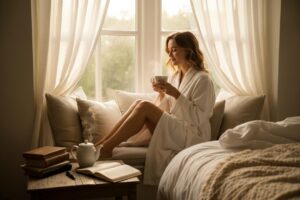
Enjoy your morning tea while it’s still hot.
Let yourself rest before you’ve finished everything.
You are allowed to take care of yourself without constantly trying to improve yourself.
And sometimes, the most meaningful step toward feeling more like yourself again is giving yourself permission to simply be.
With care,
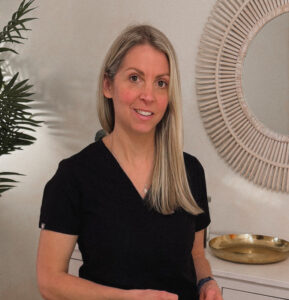
Katie Musicco, Dr. TCM, R.Ac.
Doctor of Traditional Chinese Medicine | Registered Acupuncturist | Facial Acupuncture
Peninsula Naturopathic Clinic, Sidney, BC